


Sunday, November 1, 2009

A marketing product is anything that can be offered to a market for attention, acquisition, use or consumption and that might satisfy a want or need. Marketing Product has the capability of satisfying human needs and wants. In broad sense, marketing product include physical objects, services, persons, place, organization, idea or mixes of these entities viewed on a broad framework. product is everything that ones receives in an exchange.
Marketing Product can broadly be classified into two groups: consumer products and industrial products. This classification is based on the type of buyer who uses them. Products purchased to satisfy personal and family needs are consumer products. food items, clothes, cigarettes, cosmetics, refrigerator, cars etc. are example of consumer products. Marketing Products bought for use in an organization or to make other products are industrial products. Fuel, raw materials, machines, and tools are example of industrial products.Consumer buys product to satisfy their wants, while industrial buyers seek to satisfy their organizational goals.
Marketing Product can broadly be classified into two groups: consumer products and industrial products. This classification is based on the type of buyer who uses them. Products purchased to satisfy personal and family needs are consumer products. food items, clothes, cigarettes, cosmetics, refrigerator, cars etc. are example of consumer products. Marketing Products bought for use in an organization or to make other products are industrial products. Fuel, raw materials, machines, and tools are example of industrial products.Consumer buys product to satisfy their wants, while industrial buyers seek to satisfy their organizational goals.
In market Products can be classified according to the consumer products and industrial products.As we know that consumer market product are the product which is purchased to satisfy personal and family needs.Where as industrial product are the products which is for use in an organization or to make other products. So there are different types of product according to the consumer product and industrial products.

Perishable consumer products are those product which cannot be stored for the long period of time. The time span from production is very short. Marketers have to use few and controlled level of distribution for perishable products. Example of perishable products are green vegetables, fruit, milk and meat.
Non-durable products are those products in market which have relatively longer life tha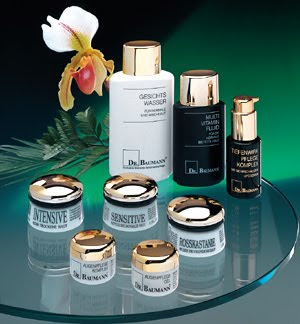 n perishable products, but their quality level is reduced if they are stored for long period of time. Non-durable consumer products have short marketing life span as these are consumed by the buyer in a shorter duration. Example of non-duration products are soap, shampoo, cosmetics, bottled or tin packaged food and drinks.
Durable products are those products which have long-lasting characteristics and the consumer uses its benefits for many years.Example of durable products are cars, motors, refrigerators, electric and microwave ovens and many other home appliances.
Consumers buy the necessity products in order to meet their physiological, safety, and social needs.Basic utilities and benefits are attached with the necessity products. Example of necessity products are basic foods items, clothing, furniture, education, entertainment etc.
Consumer buy the luxury product in order to meet their ego and prestige needs.The status, prestige, self-esteem and ego motives influence the purchase of luxury products. Example of luxury products are expensive cars, jewellery, foreign holiday packages, french perfumes, scotch whiskey, etc.
In the high involvement product consumers are highly involved in the information search and evaluation stages of the buying process.Consumers are highly involved when the product is expensive, risky, purchased infrequently and highly self-expensive. in high involvement purchase the consumer has much to learn about product attributes and benefits. For example, a personal computer may be high-involvement product for consumers as they have to find out what is meant by Pentium chip, super- VGA monitor and RAM.
Consumers buy low-involvement products easily without much planning, information search and evaluation. The buying behaviour in low-involvement products is a matter of habit. Consumers have little involvement in the products category, are aware of different brands and their attributes, and do not make detailed comparison between brands. Low-involvement products are generally less expensive, less risky, purchased frequently and not at all self-expressive. example of low-involvement products are a toothpaste, hair combs, tea, coffee etc.
Materials and parts are unprocessed and semi-processed items that will be converted into the final products by a manufacturer. Materials change their form and utility several times while parts will become an actual component of the finished product.Materials are of two categories: Natural Materials and Agricultural Products.
Natural Materials are lying in their natural state such as minerals, oils, and increased by its products of forest and sea.
Agricultural materials are produced through farming, such as rice, wheat, tobacco, sugarcane, fruits, vegetables, milk, wool etc.
Parts do not change their form in course of production.Example of parts are tires, spark plugs, nuts and bolts used in a car, and buttons and zippers for the manufacture of a jacket.
Capital goods are fully manufactured products that are used in the production of other products or for providing services.There are two categories of capital goods -Installations and Equipments.
Installation are generally high priced capital products that have longer lifespan and do not need frequent purchasing.
Equipment helps in the manufacturing process or in course of providing services to customers. They are not used directly in the production process but assist the production activity to run smoothly.
Supplies and Business services are short-lived goods and service. Supplies are of two types: Operating supplies and Maintenance and repair services.
Operating supplies helps in production or in providing services to customers.
Business service include a variety of services required by an organization such as maintenance and repair services (facility maintenance, cleaning, and guarding) and advisory services (legal, management consultancy and advertising).
Perishable consumer products are those product which cannot be stored for the long period of time. The time span from production is very short. Marketers have to use few and controlled level of distribution for perishable products. Example of perishable products are green vegetables, fruit, milk and meat.
Non-durable products are those products in market which have relatively longer life tha
n perishable products, but their quality level is reduced if they are stored for long period of time. Non-durable consumer products have short marketing life span as these are consumed by the buyer in a shorter duration. Example of non-duration products are soap, shampoo, cosmetics, bottled or tin packaged food and drinks.Durable products are those products which have long-lasting characteristics and the consumer uses its benefits for many years.Example of durable products are cars, motors, refrigerators, electric and microwave ovens and many other home appliances.
Consumers buy the necessity products in order to meet their physiological, safety, and social needs.Basic utilities and benefits are attached with the necessity products. Example of necessity products are basic foods items, clothing, furniture, education, entertainment etc.
Consumer buy the luxury product in order to meet their ego and prestige needs.The status, prestige, self-esteem and ego motives influence the purchase of luxury products. Example of luxury products are expensive cars, jewellery, foreign holiday packages, french perfumes, scotch whiskey, etc.
In the high involvement product consumers are highly involved in the information search and evaluation stages of the buying process.Consumers are highly involved when the product is expensive, risky, purchased infrequently and highly self-expensive. in high involvement purchase the consumer has much to learn about product attributes and benefits. For example, a personal computer may be high-involvement product for consumers as they have to find out what is meant by Pentium chip, super- VGA monitor and RAM.
Consumers buy low-involvement products easily without much planning, information search and evaluation. The buying behaviour in low-involvement products is a matter of habit. Consumers have little involvement in the products category, are aware of different brands and their attributes, and do not make detailed comparison between brands. Low-involvement products are generally less expensive, less risky, purchased frequently and not at all self-expressive. example of low-involvement products are a toothpaste, hair combs, tea, coffee etc.
Materials and parts are unprocessed and semi-processed items that will be converted into the final products by a manufacturer. Materials change their form and utility several times while parts will become an actual component of the finished product.Materials are of two categories: Natural Materials and Agricultural Products.
Natural Materials are lying in their natural state such as minerals, oils, and increased by its products of forest and sea.
Agricultural materials are produced through farming, such as rice, wheat, tobacco, sugarcane, fruits, vegetables, milk, wool etc.
Parts do not change their form in course of production.Example of parts are tires, spark plugs, nuts and bolts used in a car, and buttons and zippers for the manufacture of a jacket.
Capital goods are fully manufactured products that are used in the production of other products or for providing services.There are two categories of capital goods -Installations and Equipments.
Installation are generally high priced capital products that have longer lifespan and do not need frequent purchasing.
Equipment helps in the manufacturing process or in course of providing services to customers. They are not used directly in the production process but assist the production activity to run smoothly.
Supplies and Business services are short-lived goods and service. Supplies are of two types: Operating supplies and Maintenance and repair services.
Operating supplies helps in production or in providing services to customers.
Business service include a variety of services required by an organization such as maintenance and repair services (facility maintenance, cleaning, and guarding) and advisory services (legal, management consultancy and advertising).
pricing is the act of determining the exchange value between the purchasing power and utility or satisfaction acquired by an individual, group or an organization through the purchase of goods, services, ideas, rights etc.
Pricing involves many activities permormed within an organization to determine the exchange value such as setting the base price, determining discounts and commissions, and formulating pricing objectives, policies and strategies.
pricing is the most visible but secretly permormed activity in a business organization. an organization's product, distribution and promotion policies are obvious to a careful observer but it is very difficult to find out how a firm arrives at the list price.

Product Promotion is the key elements in marketing. Marketing product Promotion performs the role of communicating to the buyers. Marketing promotion provides valuable information to buyers about the market product, its availability in market, prices, utilities and benefits. This information helps buyers to make a choice decision that favors the firms and its product. Marketing promotion also seeks to stimulate dormant needs of buyers.
It is the oldest business concept. Organization that adopt the production concepts believe that consumers will favor those products that are widely available and low in cost. The production concepts has the following features:
Production oriented organization focuses on high production efficiency and wide distribution coverage. The focuses is on the existing products and all efforts are directed at raising output levels and produce standardized product.
Production concept is based on mass production and mass merchandising of goods and services.
Organization use the lower costs to cut prices and mass merchandising of goods and services.
It assumes that buyers are fully aware of the available brands and given a choice, will generally buy the lowest priced products. The price is assumed to be the critical variables in the buying decisions.
The production manager plays the key role in production oriented organization as he/she has to manage production in several shifts.
Many Japanese companies in the 1960s and 1970s adopted this approach and became successful in international marketing. today, china is practicing this concepts in international marketing. Several Nepalese business enterprises are also working under the production concept.
This business concept is very weak as it assumes price as the only critical variable in buying decisions of consumers. In reality, many non-price factors influence the buying of decisions of consumers.
Products concepts evolved out of the failure of the production concepts to meet the quality expectation of consumers. Organization that adopts the product concept believes that consumers respond to good quality products that are reasonably priced.
The products concepts has the following features:
The emphasis is on product quality, performance and features.
Organization believes that very little effort is required to sell good quality products that are reasonably priced.
Organization focus on designing long-lasting products and provide warranty for longer periods.
Organization have heavy faith in the role of engineers in development of super performance products.
Several organization have used this concepts (Shaffer's' pen, west-end-watches, Hi-tech shoes) to design and sell very high quality, high performance and long lasting products.
Organization neglected two major factors in this concepts. They are changes in buyer preferences and technology. Buyer preference and technology change over time. The long-lasting, high performance and wide feature products become redundant in the marketplace due to these changes.
Branding is very important for the marketers. Organization invest large amount of money to build their brands. Marketers treat well-established brands as one of their important assets. Brands can be sold, rented and licensed to other organizations. Branding plays important role in promotion, value building, image and personality development, product positioning, brand loyalty development, and product line expansion.
Promotion
Brands are the focus of all promotional activities. Advertising, personal selling, sales promotion and publicity are all built around the brand names. Buyers choice of product is mostly made on the basis of brand names.
Value Building
Marketers use brand to build values for consumer in terms of product attributes and benefits. Buyers pay the price of the product in order to obtain these values, Marketers promote special attributes and benefits associated with the brand names to build better values for buyers.
Product Image Development
Product image and personalities are developed and established in the market in order to appeal to a particular group of consumers. These image and personality of the product are built around the brand names and brand marks. These brand images and brand personalities influence buyers choice of product. For instance, Tatamobile presents an image of durability, ponds cream an image of beauty, and Seiko watches an image of high performance.
Product positioning
Branding plays vital role in product positioning. Marketers use the brand value, brand image and brand personality to position their products against competitors products. Product positioning helps the marketer to avoid price comparisons by buyers.
Brand Loyalty
Repeat sales of a product are only possible if it is branded. Organization make long-term marketing investments to build brand patronage and loyalty among the buyers.
Expansion of the product line
Branding has important role to play in expansion of the product line. If all a brand name is well established in the market, the marketers can easily add a new product to the product line under the same brand name. Buyers show little resistance to buy a new product under an established brand name.
;;
Subscribe to:
Posts (Atom)


